
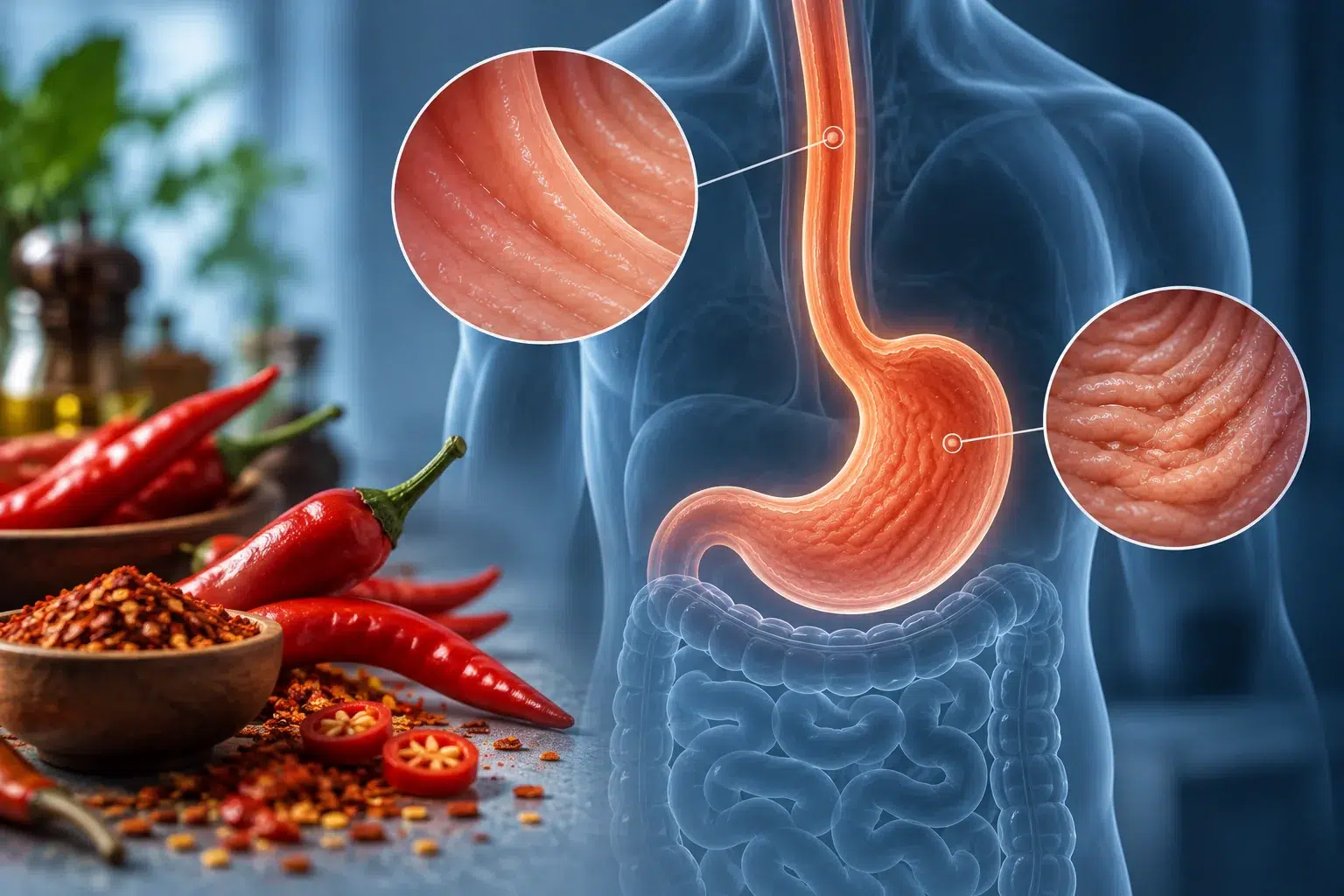
Does spicy food cause cancer? It is one of the most common questions in clinic, along with whether it causes ulcers or worsens hemorrhoids. Here I go through each myth with the current evidence and explain why the studies seem to contradict each other.
Does spicy food cause cancer?
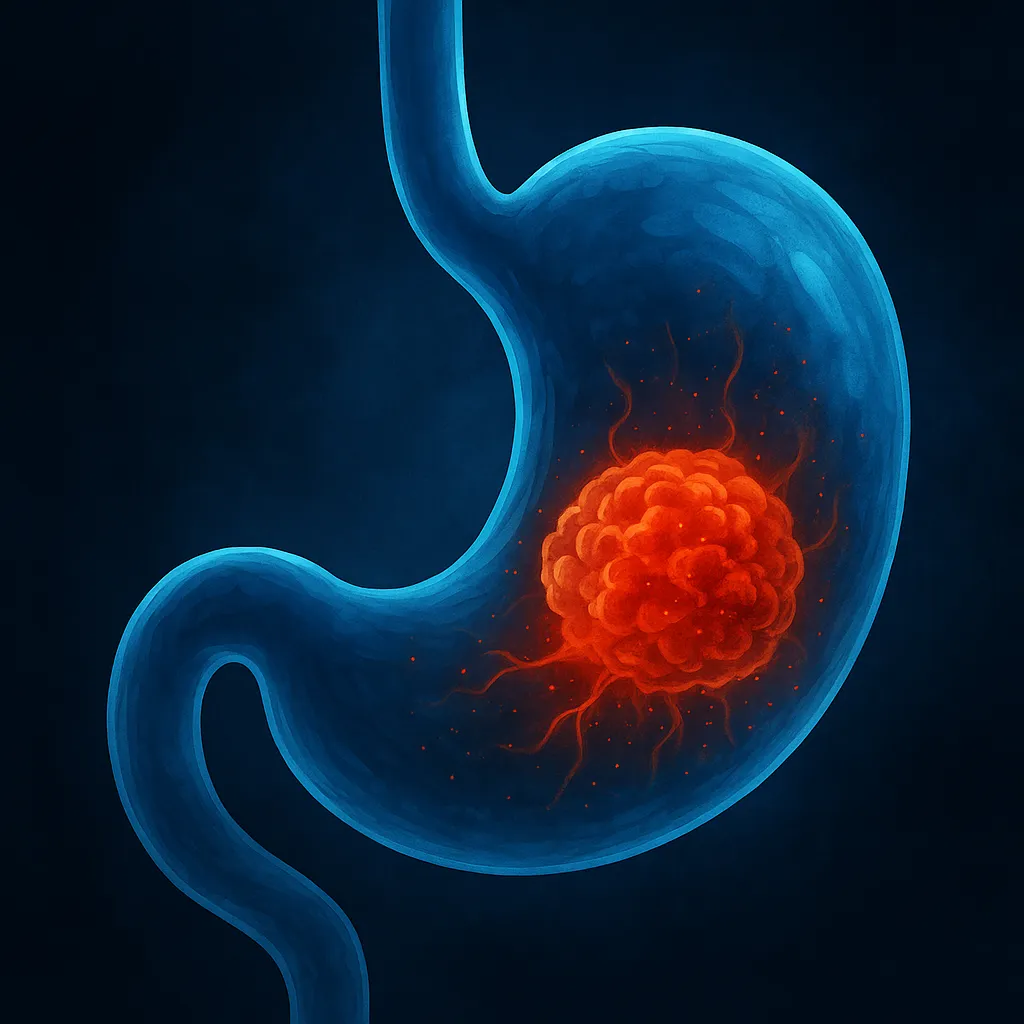
Based on what we know today, eating spicy food in normal amounts has not been shown to raise cancer risk. The longer answer depends on the type of study you look at, because the results point in opposite directions.
The strongest study is the China Kadoorie Biobank, which followed about half a million Chinese adults for years. Thirty percent ate spicy food daily, and those who ate it most often had slightly less esophageal cancer, with no increase in stomach or colorectal cancer.1
Case-control studies, which ask people who already have cancer what they used to eat, find the opposite. A meta-analysis of 14 of these studies linked high chili intake to more digestive cancer, especially of the esophagus, although in European and South American studies the relationship was inverse.5 Another, focused on stomach cancer, saw the increase mainly in Mexico and Asia.6
Why the difference? Case-control studies have two problems: memory of what people ate years ago is unreliable, and in some regions spicy food goes along with other risk factors. In the Mexican study, the highest-intake group ate the equivalent of 9 to 25 jalapeños a day, and even then the increase in risk was not clearly significant.7 For esophageal cancer, the association appeared in Chinese populations but not in India or other countries.8
There is also a factor that has nothing to do with heat: contamination. Dried chili peppers from Bolivia and Peru, countries with high rates of gallbladder cancer, have been found to contain aflatoxins, fungal toxins, above European limits.9 A review that pooled all the meta-analyses concluded that eating spicy food is generally safe, while advising that region and population be taken into account.4
Myth or fact? Test what you know
Pick an answer for each statement and see what the evidence says.
1. "Spicy food causes stomach ulcers."
Myth. Ulcers are caused mainly by Helicobacter pylori and anti-inflammatory drugs. In a trial with endoscopy, very spicy meals did not damage the stomach, and not even 30 g of ground jalapeño placed directly in it left any lesion.1011
2. "Spicy food burns the stomach lining from inside."
Myth. The burning feeling comes from capsaicin activating pain receptors, with no visible damage to the lining.1015
3. "Spicy food makes hemorrhoids worse."
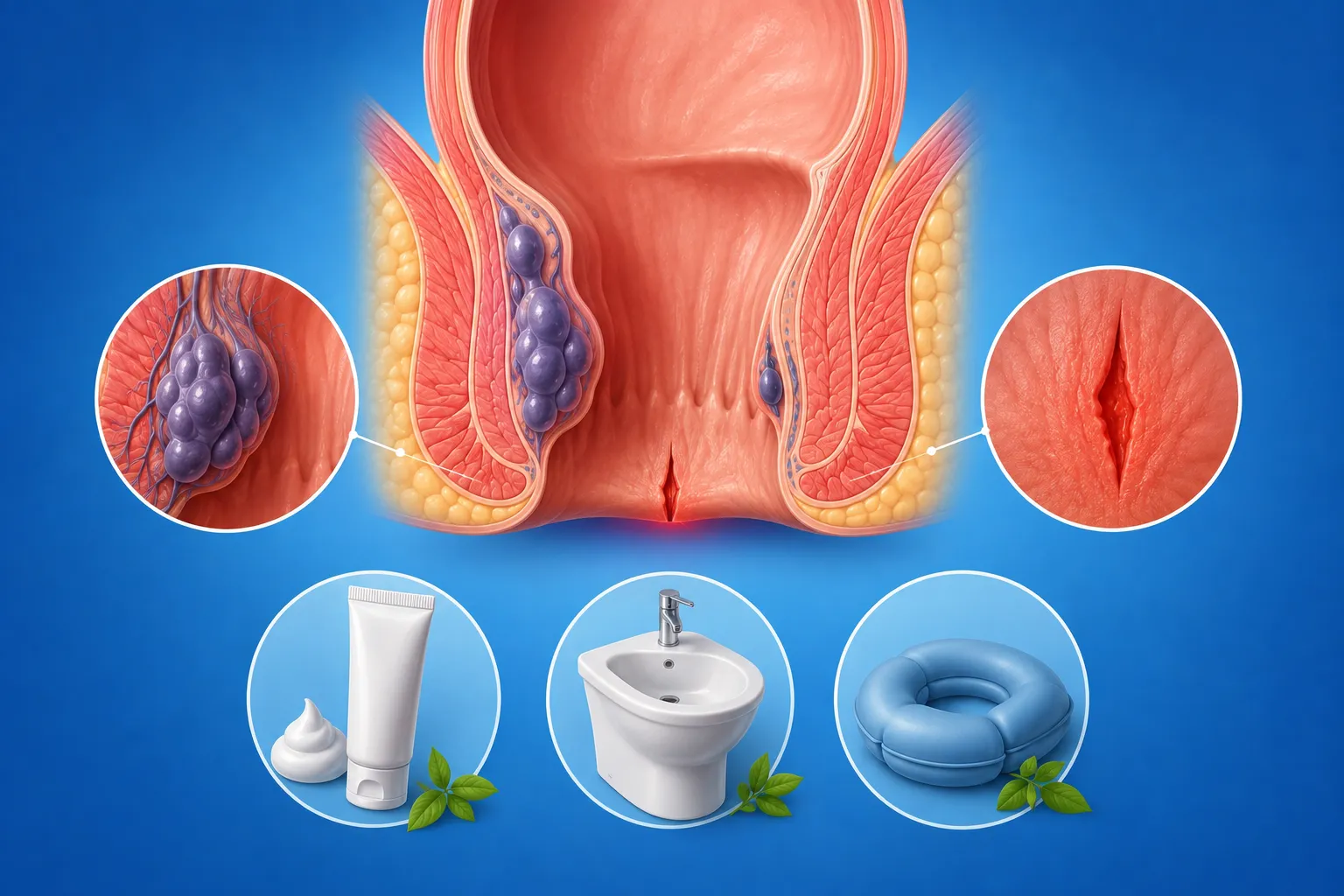
Myth. A randomized placebo-controlled trial found that a chili meal did not worsen hemorrhoid symptoms.13
4. "With an anal fissure, spicy food increases the pain."
Fact. This one is true. In people with an acute anal fissure, chili increased pain and burning compared with placebo.14
5. "In some people, spicy food worsens heartburn."
Fact. In some people it makes it worse. In an Iranian study, men who ate spicy food 10 or more times a week were more than twice as likely to have heartburn; in women there was no link.12
0 of 6 answered
Why it disagrees with some people
Capsaicin, the substance that gives the heat, acts on the same receptors that sense heat and pain. In healthy volunteers, eating chili made the rectum more sensitive: they felt urgency with less distension than on placebo.15 That explains the burning when passing stool after a spicy meal, and why people with irritable bowel syndrome or a sensitive gut sometimes tolerate it worse.
If spicy food gives you heartburn, pain or diarrhea, it makes sense to eat less of it or less often. If it gives you no symptoms, there is no medical reason to avoid it. There is more on heartburn tips and hemorrhoids and anal fissure.
Summary of the evidence
| Question | Answer | Strength of evidence |
|---|---|---|
| Does it cause cancer? | No increase in the large prospective study; association in case-control studies from some countries | Moderate |
| Does it cause ulcers? | No | Endoscopy trial |
| Does it worsen hemorrhoids? | No | Randomized trial |
| Does it worsen anal fissure? | Yes | Randomized trial |
| Does it cause heartburn? | In some people | Cross-sectional study |
| Does it make you live longer? | Association, causation not shown | Observational studies |
Green clinical trial · Amber large studies with mixed results · Red association without causation
When to see a doctor
Tick any of these symptoms you have. Spicy food does not explain them:
What I recommend in clinic

"If spicy food agrees with you, there is no medical reason to cut it out. To prevent stomach cancer, treating Helicobacter pylori matters far more."
Dr. Pedro de María Pallarés
I do not ban spicy food for people who tolerate it. I limit it when it causes symptoms, with an anal fissure and during reflux flares, and I look for other causes when there are warning signs. To prevent stomach cancer, treating Helicobacter pylori matters far more than cutting out chili.
Does food disagree with you?
We look for the cause of your symptoms. In Madrid or by video consultation.
Book an AppointmentDid you find this useful?
Share it with the friend who always says spicy food "causes cancer":
WhatsApp XRelated reading


When there are warning signs, an endoscopy rules out other causes.
Frequently asked questions
Does spicy food cause cancer?
Eating spicy food in normal amounts does not raise cancer risk according to the largest prospective study, with about half a million adults. Some case-control studies from countries with very high intake do find an association, but they are more prone to bias.
Does spicy food cause stomach ulcers?
No. Ulcers are caused mainly by Helicobacter pylori and anti-inflammatory drugs. In an endoscopy trial, very spicy meals did not damage the stomach.
Can I eat spicy food if I have hemorrhoids?
Yes. A randomized trial found it did not worsen symptoms. With an anal fissure it is better to avoid it, because it increases pain and burning.
Does spicy food make reflux worse?
In some people it does. If it gives you heartburn, eat less of it or less often. If it gives you no symptoms, there is no reason to avoid it.
Why does it burn when I go to the toilet after spicy food?
Because capsaicin also activates pain receptors in the rectum and makes it more sensitive. It does not mean there is any damage.
References (15 studies · tap to view)
- Chan WC, et al. Spicy food consumption and risk of gastrointestinal-tract cancers: findings from the China Kadoorie Biobank. Int J Epidemiol. 2021;50(1):199-211. PubMed (opens in a new tab)
- Lv J, et al. Consumption of spicy foods and total and cause specific mortality: population based cohort study. BMJ. 2015;351:h3942. PubMed (opens in a new tab)
- Ofori-Asenso R, et al. Association of Spicy Chilli Food Consumption With Cardiovascular and All-Cause Mortality: A Meta-Analysis of Prospective Cohort Studies. Angiology. 2021;72(7):625-632. PubMed (opens in a new tab)
- Ao Z, et al. Spicy Food and Chili Peppers and Multiple Health Outcomes: Umbrella Review. Mol Nutr Food Res. 2022;66(23):e2200167. PubMed (opens in a new tab)
- Chen C, et al. Association between chili pepper consumption and risk of gastrointestinal-tract cancers: A meta-analysis. Front Nutr. 2022;9:935865. PubMed (opens in a new tab)
- Luo L, et al. The correlation between chili pepper consumption and gastric cancer risk: A meta-analysis. Asia Pac J Clin Nutr. 2021;30(1):130-139. PubMed (opens in a new tab)
- López-Carrillo L, et al. Capsaicin consumption, Helicobacter pylori positivity and gastric cancer in Mexico. Int J Cancer. 2003;106(2):277-82. PubMed (opens in a new tab)
- Xie P, et al. High spicy food intake may increase the risk of esophageal cancer: A meta-analysis and systematic review. Nutr Res. 2022;107:139-151. PubMed (opens in a new tab)
- Asai T, et al. Aflatoxin contamination of red chili pepper from Bolivia and Peru, countries with high gallbladder cancer incidence rates. Asian Pac J Cancer Prev. 2012;13(10):5167-70. PubMed (opens in a new tab)
- Graham DY, et al. Spicy food and the stomach. Evaluation by videoendoscopy. JAMA. 1988;260(23):3473-5. PubMed (opens in a new tab)
- Satyanarayana MN. Capsaicin and gastric ulcers. Crit Rev Food Sci Nutr. 2006;46(4):275-328. PubMed (opens in a new tab)
- Rajaie S, et al. Spicy Food Consumption and Risk of Uninvestigated Heartburn in Isfahani Adults. Dig Dis. 2020;38(3):178-187. PubMed (opens in a new tab)
- Altomare DF, et al. Red hot chili pepper and hemorrhoids: the explosion of a myth: results of a prospective, randomized, placebo-controlled, crossover trial. Dis Colon Rectum. 2006;49(7):1018-23. PubMed (opens in a new tab)
- Gupta PJ. Consumption of red-hot chili pepper increases symptoms in patients with acute anal fissures. A prospective, randomized, placebo-controlled, double blind, crossover trial. Arq Gastroenterol. 2008;45(2):124-7. PubMed (opens in a new tab)
- Gonlachanvit S, et al. Red chili induces rectal hypersensitivity in healthy humans: possible role of 5HT-3 receptors on capsaicin-sensitive visceral nociceptive pathways. Aliment Pharmacol Ther. 2007;26(4):617-25. PubMed (opens in a new tab)